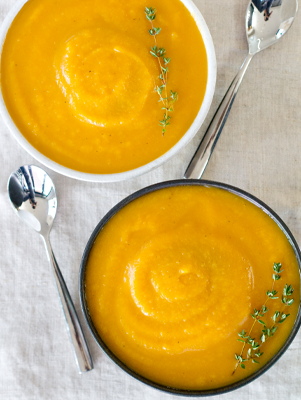
Unlock Flavor: The Secret to Roasted Butternut Squash Soup
There's something inherently comforting and deeply satisfying about a bowl of creamy butternut squash soup. Its vibrant orange hue promises warmth, while its velvety texture delivers a hug in every spoonful. But what truly elevates a good butternut squash soup recipe to an extraordinary one? The secret lies in the roast. By taking the time to roast the butternut squash, you unlock a depth of flavor that simple boiling or steaming can't achieve, transforming a humble vegetable into a culinary masterpiece. This comprehensive guide will walk you through crafting the perfect batch, from selecting the best squash to achieving that irresistible balance of sweet, savory, and tangy notes.Why Roasting Makes All the Difference
Many soup recipes might suggest boiling or steaming squash, but for an unparalleled taste experience, roasting is non-negotiable. When butternut squash is roasted, several magical things happen. The high heat of the oven caramelizes its natural sugars, creating a sweet, nutty depth that's impossible to replicate otherwise. This process, known as the Maillard reaction, browns the surface of the squash, developing complex flavors and concentrating its essence. Not only does roasting intensify the flavor, but it also simplifies the preparation. Roasting the squash halves until tender makes the task of scooping out the flesh incredibly easy, saving you the struggle of peeling and cubing a raw, notoriously tough squash. You can even roast the squash a day or two in advance, making this an ideal component for Easy Butternut Squash Soup: Prep Ahead for Simple Meals, ready to be transformed into soup at a moment's notice.Gather Your Ingredients: The Foundation of Flavor
A truly great butternut squash soup recipe relies on a thoughtful combination of fresh, high-quality ingredients. Here’s a breakdown of what you'll need and why each component plays a crucial role:- Butternut Squash: Aim for a medium squash, roughly 2¼ to 2½ pounds. Choose one that feels heavy for its size with smooth, unblemished skin. Its dense, slightly sweet flesh is perfect for soup.
- Olive Oil: Essential for roasting the squash and sautéing your aromatics. A good quality extra virgin olive oil adds to the overall flavor profile.
- Aromatics (Onion & Garlic): White onion and fresh garlic cloves form the backbone of your soup's savory base. Sautéing them until softened and lightly browned builds a layer of fundamental flavor.
- Warm Spices (Ground Ginger, Cinnamon, Nutmeg, Black Pepper): These spices are the symphony of the soup, adding warmth, a subtle sweetness, and an exotic depth without overpowering the squash. A pinch of freshly ground black pepper brightens the profile. Consider a tiny pinch of cayenne pepper if you enjoy a very subtle kick.
- Vegetable Stock: The liquid base of your soup. Opt for low-sodium vegetable stock to control the overall saltiness. You can always add more salt, but you can’t take it away. Chicken stock can be substituted if you don't require a vegetarian option.
- Unseasoned Rice Vinegar: This might seem like an unconventional addition, but a splash of rice vinegar is a game-changer. It provides a bright, tangy sparkle that cuts through the richness of the squash, balancing the flavors beautifully.
- Honey or Dark Brown Sugar (Optional): Your squash's natural sugars may be enough, but if you desire a touch more sweetness, a tablespoon of honey or dark brown sugar can enhance the soup's comforting notes. Always taste before adding.
- Salt: Crucial for seasoning at every stage, from roasting the squash to the final adjustments.
Crafting Your Culinary Masterpiece: Step-by-Step Preparation
Follow these steps to create a butternut squash soup that will impress even the most discerning palates.Step 1: Roast the Squash to Perfection
Preheat your oven to a robust 425 degrees Fahrenheit (220 degrees Celsius). Halve the butternut squash lengthwise and scoop out the seeds and stringy bits. Rub the cut flesh with a tablespoon of olive oil and season generously with salt. Place the squash cut-sides up on a small baking sheet. For even more tender results and to prevent drying, cover the baking sheet tightly with foil. Bake for approximately 50 minutes, or until the flesh is incredibly tender and easily pierced with a knife. This crucial step is where the magic truly begins, concentrating the squash's natural sweetness.
Step 2: Build the Aromatic Base
While your squash roasts, prepare your aromatics. In a large stockpot or Dutch oven, heat the remaining tablespoon of olive oil over medium heat. Add the sliced white onion and cook, stirring frequently, for about 8 minutes, or until it softens and just begins to brown around the edges, releasing its sweet aroma. Add the smashed and peeled garlic cloves and cook for another minute until fragrant, being careful not to burn them.
Step 3: Combine and Simmer Flavors
Once the roasted squash is cool enough to handle, scoop out the tender flesh with a spoon and add it directly to the pot with the sautéed onions and garlic. Stir in the ground ginger, black pepper, cinnamon, and nutmeg. Cook for about 30 seconds, allowing the spices to become fragrant. Pour in the vegetable stock, stir everything together, and increase the heat to medium-high. Bring the mixture to a boil, then reduce the heat to maintain a gentle simmer. Let it simmer uncovered for about 10 minutes, stirring occasionally, allowing all the flavors to meld beautifully.
Step 4: Blend to Silky Smoothness and Adjust Seasoning
This is where your soup truly takes shape. Carefully purée the soup until it’s perfectly smooth. An immersion blender makes this task incredibly easy and mess-free, allowing you to blend directly in the pot. If using a standard blender, work in batches, filling the blender only halfway, and remember to remove the center cap of the lid (covering it with a kitchen towel) to allow steam to escape and prevent pressure buildup. Once blended, return the soup to the pot.
Stir in the unseasoned rice vinegar. Now, the critical step: taste! This is your opportunity to fine-tune the flavors. If you desire a sweeter soup, add a tablespoon of honey or dark brown sugar, taste, and add more if needed. Adjust the salt to your preference. The goal is a harmonious balance where no single flavor dominates, achieving that Butternut Squash Soup: Sweet, Spiced & Tangy Perfection. Keep the soup warm over low heat until you're ready to serve, thinning with a little water or extra stock if you prefer a thinner consistency.
Serving Suggestions and Customizations
Serve your roasted butternut squash soup immediately, ladled into warm bowls. A simple drizzle of extra virgin olive oil and a sprinkle of freshly ground black pepper are classic garnishes that enhance the presentation and add another layer of flavor. For an extra touch, consider:
- Toasted Seeds: Roast the butternut squash seeds with a little salt and olive oil for a crunchy topping.
- Fresh Herbs: A sprinkle of fresh sage or thyme offers an aromatic flourish.
- Cream Swirl: A swirl of heavy cream, coconut milk (for a dairy-free option), or crème fraîche adds richness.
- Croutons: Homemade or store-bought croutons provide a satisfying textural contrast.
- Spicy Kick: A pinch of red pepper flakes or a swirl of chili oil for those who love a bit of heat.
This versatile soup makes a fantastic starter for holiday meals, a light and elegant lunch with a crusty baguette, or a comforting weeknight dinner that feels gourmet. It also pairs wonderfully with grilled cheese sandwiches or a fresh green salad.
Storage and Make-Ahead Tips
One of the many benefits of this butternut squash soup recipe is its excellent make-ahead potential. The roasted squash can be prepared a day or two in advance and stored in an airtight container in the refrigerator. The finished soup itself also keeps beautifully. Store it in airtight containers in the refrigerator for up to 3 days or freeze it for up to 1 month. Thaw overnight in the refrigerator and gently reheat on the stovetop, thinning with a splash of water or stock as needed to restore its perfect consistency.
Conclusion
Mastering the art of roasted butternut squash soup is a rewarding culinary journey. By embracing the simple yet transformative step of roasting, you unlock a depth of flavor that elevates this classic comfort food to new heights. The interplay of sweet, spiced, and tangy notes creates a balanced and deeply satisfying experience. Whether you're seeking a hearty meal for a chilly evening or an elegant starter for guests, this butternut squash soup recipe, born from the magic of the oven, promises warmth, flavor, and a truly unforgettable taste.
